
Pre-Insulated Pipe: Selection Parameters to Purchasing Terms
A pre-insulated pipe is a factory-bonded three-layer system: a steel carrier pipe, a polyurethane (PU) foam insulation layer, and an outer protective jacket. For a project buyer, agreeing the parameter list is only half of the specification. The other half is the set of purchasing terms that makes each parameter enforceable — minimum order quantity, delivery term, payment structure, and above all the acceptance criteria that decide whether a delivered batch is accepted or rejected.
Short answer: a pre-insulated pipe order becomes enforceable when four parameter groups — service envelope, construction, verification, and commercial — are each written into a named purchasing term with a pass/fail acceptance criterion. Tangshan Xingbang Pipeline Engineering Equipment Co., Ltd structures that mapping around a 500-meter minimum order quantity, FOB/CIF delivery terms, 30/70 payment terms, and a pre-shipment test as the acceptance point.
The Gap Between the Data Sheet and the Purchase Order
Selection parameters and purchasing terms are usually produced by two different teams, in two different documents, at two different moments. Engineering writes the data sheet. Procurement writes the purchase order. The parameter survives that translation only if the order also names a verification method and an acceptance gate. Where it does not, the parameter exists on paper but not in the contract.
Three failure patterns account for most delivery-stage disagreements:
- A parameter without a verification method. The technical annex states an insulation requirement, but nothing states who verifies it, with what evidence, and at which stage.
- A term without a parameter reference. The order states that acceptance rests on a pre-shipment test, but does not list which characteristics that test covers.
- Acceptance criteria written after production begins. In a bonded three-layer system, the insulation layer and the bond between layers are formed during production. A characteristic fixed in the factory cannot be recovered by inspection after the fact, so the acceptance definition has to exist before the first batch is made.
The practical consequence is that the purchase order — not the data sheet — is where a pre-insulated pipe specification is finally tested. That is the assumption behind everything that follows.
Industry Background: Why the Terms Carry as Much Weight as the Parameters
The technical reference point for buried hot water systems is EN 253, the industry standard for pre-insulated bonded pipe systems for directly buried hot water networks. For the steel carrier pipe itself, ASTM A53 is a primary American standard covering seamless and welded black and hot-dipped galvanized steel pipe. Together these give a buyer a recognised vocabulary for the product; neither one tells a buyer what to write in the acceptance criteria of a specific order. That part remains a commercial decision.
Market context explains why buyers in different regions are now negotiating the same clauses. Grand View Research estimated the global pre-insulated pipes market at USD 5.97 billion in 2024 and projects USD 10.4 billion by 2030, a 9.7% CAGR. The same analysis attributes 39.96% of 2024 revenue to Asia Pacific. SNS Insider valued the global district heating market at USD 209.34 billion in 2024, and Global Market Insights expects district heating and cooling to grow at a 5.7% CAGR from 2024 to 2032.
Published figures should be read with care: Strategic Market Research puts the 2024 pre-insulated pipe market at USD 9.8 billion and MarketsandMarkets at USD 5.27 billion, against the USD 5.97 billion cited above. That divergence is a useful reminder for procurement: market-size numbers are orientation, not specification. The document that governs a delivery is the purchase order, and every clause in it can be traced back to a parameter someone chose to specify.
The Four-Group Parameter Framework
Every selection parameter used in a pre-insulated pipe order falls into one of four groups, and each group maps to a different clause of the purchase order. Grouping the parameters this way makes the gap visible: any parameter that cannot be assigned to a group is either a preference or an unverified assumption.
Group 1 — Service envelope parameters
The service envelope describes what the line carries and where it is installed: the medium (hot water, chilled water, or steam), the design temperature, the design pressure, and whether the run is buried or above ground. These parameters drive every downstream choice, so they belong in the technical annex as fixed values, not as ranges open to interpretation.
One constraint is worth writing into the order explicitly. Polyurethane (PU) foam insulation for EN 253 pipes typically withstands temperatures up to 120°C (250°F). Any steam duty or high-temperature hot water duty therefore has to be checked against the insulation service temperature before the parameter is released, because the maximum temperature of the medium and the maximum temperature of the insulation are two separate contractual values.
Group 2 — Construction parameters
Construction parameters describe the three layers. For the carrier pipe, that means material and standard reference — preinsulated black steel pipe is the common configuration, and steel pipe standards such as ASTM A53 give both sides a shared reference. For the insulation layer, it means the polyurethane foam specification, produced in Xingbang's case as a high-density polyurethane thermal insulation layer. For the outer jacket, it means the material and the exposure condition: buried runs and above-ground runs see different mechanical and environmental loads, which is why a galvanized iron jacket pre insulated pipe is normally specified where an above-ground line needs a more robust outer surface.
Group 3 — Verification parameters
Verification is the group most often left thin, and it is the group that generates acceptance disputes. The risks a pre-insulated line actually carries are consistent across projects: thermal stress damage, high-temperature overheating, pipeline corrosion, and excessive heat loss. The corresponding controls are real-time temperature monitoring, anti-corrosion coating protection, thermal insulation protection, and stress relief structural design.
Each control becomes a verification parameter with a named evidence format. At Xingbang, that evidence set includes built-in optical fiber temperature measuring sensors, 3PE anti-corrosion treatment, a high-density polyurethane thermal insulation layer, an online monitoring system for directly buried pipelines, incoming raw material inspection, and full-batch product performance testing. The rule for the buyer is simple: a parameter without an evidence format is not yet a purchasing term.
Group 4 — Commercial parameters
The commercial group converts the first three groups into an order. The verified purchasing terms applied by Tangshan Xingbang Pipeline Engineering Equipment Co., Ltd are:
- MOQ: 500 meters
- Delivery terms: FOB / CIF
- Payment terms: 30/70
- Acceptance criteria: pre-shipment test
Read as a set, these four terms answer the questions that otherwise surface late: how small the first order can be, where cost and risk transfer, how payment is staged against production, and at which point the buyer's acceptance decision is made. The pre-shipment test is the load-bearing term, because it is the only point at which acceptance can still influence what is shipped.
Step-by-Step: Building a Purchase Order from the Parameter Set
The sequence below is written for the Decision-to-Execution stage, where the technical scope is broadly settled and the remaining question is how to commit it in writing.
Step 1 — Fix the service envelope as fixed values. Medium, design temperature, design pressure, and installation condition are recorded as single values. Where a value is genuinely uncertain, it stays out of the annex until it is resolved; a range in the annex becomes a dispute in the acceptance test.
Step 2 — Convert the envelope into construction parameters. Each envelope value is traced to a layer decision: carrier pipe material and standard, foam insulation specification, and jacket type matched to burial or above-ground exposure.
Step 3 — Assign a verification method to every parameter. Each construction parameter receives one evidence format — a raw material inspection record, a batch performance test, or a monitoring function. Parameters with no assignable evidence are moved to Group 1 and reconsidered.
Step 4 — Write the acceptance criteria as a gate. The order states that acceptance rests on the pre-shipment test and lists the characteristics that test covers. This makes acceptance a defined event rather than an opinion formed on arrival.
Step 5 — Anchor the commercial terms to the parameter set. MOQ, delivery term, and payment structure are confirmed against the agreed parameter list, so that a later parameter change is visibly a commercial change as well.
Step 6 — Specify the risk-control package as deliverables. Anti-corrosion coating protection, insulation protection, stress relief structural design, and temperature monitoring are listed as supplied items, not as general intentions.
Step 7 — Sequence testing before shipment date. Because acceptance depends on pre-shipment test results, the test milestone is placed ahead of the shipment date in the order schedule, not alongside it.
Where the Framework Applies
Directly buried hot water networks
A directly buried hot water pre insulated pipe line is the configuration where EN 253 applies and where heat loss dominates the parameter discussion. In Xingbang's own product comparison, a pre-insulated pipe against a conventional onsite-insulated pipe shows a documented performance gap of 0.4°C/km, higher efficiency, lower maintenance, and a cost difference described as 10% lower, with central heating supply as the intended application. For procurement, the operative point is that buried lines are inaccessible after backfill, so the online monitoring system and the temperature measuring sensors belong in the acceptance scope rather than in an after-sales discussion.
Above-ground runs
A pre insulated pipe for above ground service carries a different parameter emphasis: the outer surface is exposed to mechanical impact and light, and thermal movement is visible and must be absorbed by the support design. This is the context where a galvanized iron jacket pre insulated pipe is typically chosen, and where stress relief structural design moves from a background control to an explicit line item.
Chilled water and district cooling
Pre-Insulated Chilled Water Pipes protect against heat gain rather than heat loss, and the parameter that matters most is the integrity of the jacket, because moisture ingress degrades insulation performance over time. Market direction supports treating cooling as a first-class specification: SNS Insider projects a 9.48% CAGR for pre-insulated pipes in district cooling, driven by smart city projects. A pre insulated pipe for chilled water order should therefore state jacket integrity verification in the same clause that states insulation performance.
Steam and high-temperature duty
A pre insulated steam pipe is the case where the 120°C typical service limit of PU foam becomes a decision point rather than a footnote. Before a steam parameter enters the purchase order, the medium temperature is compared against the insulation service temperature, and the resolution is recorded in the annex. Handling this in the parameter stage is materially cheaper than handling it in an acceptance dispute.
Industrial plant networks
Plants running several media — hot water, chilled water, and process lines — benefit most from the four-group structure, because one parameter vocabulary covers multiple line types. The same evidence formats, the same acceptance gate, and the same commercial terms can then be applied line by line without renegotiating the framework.
Comparison: Parameter Groups and the Terms They Control
| Parameter group | What the buyer locks | Where it belongs in the order |
|---|---|---|
| Service envelope | Medium, design temperature, design pressure, burial or above-ground condition | Technical annex, as fixed values |
| Construction | Carrier pipe material and standard, PU foam insulation, jacket type | Product description clause |
| Verification | Raw material inspection, batch performance testing, monitoring functions | Acceptance criteria clause |
| Commercial | MOQ 500 meters, FOB/CIF delivery, 30/70 payment, pre-shipment test | Commercial terms clause |
Comparison: pre-insulated pipe against conventional onsite-insulated pipe, based on Xingbang comparison data.
| Item | Pre-insulated pipe | Conventional onsite-insulated pipe |
|---|---|---|
| Energy performance | Energy saving; higher efficiency | Baseline |
| Documented performance gap | 0.4°C/km | — |
| Cost | 10% lower | Baseline |
| Maintenance | Less maintenance | Higher maintenance load |
| Intended application | Central heating supply | — |
FAQ
Which standard should a directly buried hot water pre-insulated pipe order reference?
EN 253 is the industry standard for pre-insulated bonded pipe systems for directly buried hot water networks, so it is the reference that applies to the bonded three-layer system. The steel carrier pipe may separately reference a steel pipe standard such as ASTM A53. The order should state which standard governs which layer, because a system standard and a carrier pipe standard answer different questions.
What verification evidence should be attached to the acceptance criteria?
The evidence set should cover the risks the line actually carries: thermal stress damage, high-temperature overheating, pipeline corrosion, and excessive heat loss. At Xingbang, the corresponding controls are built-in optical fiber temperature measuring sensors, 3PE anti-corrosion treatment, a high-density polyurethane thermal insulation layer, and an online monitoring system for directly buried pipelines, backed by incoming raw material inspection and full-batch product performance testing. Each of these is a documentable item and can be listed as an acceptance input rather than left implicit.
What are the standard purchasing terms for a pre-insulated pipe order?
The verified terms applied by Tangshan Xingbang Pipeline Engineering Equipment Co., Ltd are a minimum order quantity of 500 meters, delivery terms of FOB or CIF, payment terms of 30/70, and acceptance criteria based on a pre-shipment test. These four items define the commercial frame; the technical annex defines what is tested inside it.
How can a first order be validated before full-volume production?
Validation rests on two levers already present in the terms. The 500-meter minimum order quantity defines the smallest order that can be placed, so a first order does not have to be a production-scale commitment. The pre-shipment test defines the point at which the buyer's acceptance decision is made, which means the parameter list and the tested characteristics have to be agreed before production starts rather than after the batch is complete.
How should delivery and lead time be handled in the purchasing terms?
Delivery terms under FOB or CIF fix where cost and risk transfer between seller and buyer, so the correct Incoterm and named place should be written into the order rather than assumed. Lead time should be sequenced against the pre-shipment test: because acceptance depends on test results, the test milestone is scheduled ahead of the shipment date. Buyers who want the current catalog before drafting the annex can download the Xingbang brochure or send the parameter list directly for a quotation.
Conclusion: The Order Is the Specification
Selection parameters describe what a pre-insulated pipe should be. Purchasing terms and acceptance criteria decide whether it is. The four-group structure — service envelope, construction, verification, and commercial — keeps those two halves connected: every parameter is traced to an evidence format, and every evidence format is traced to a clause that can be accepted or rejected at a defined moment. With a pre-shipment test as the acceptance gate, a 500-meter minimum order quantity, FOB/CIF delivery terms, and a 30/70 payment structure, that moment is fixed before production begins rather than after delivery.
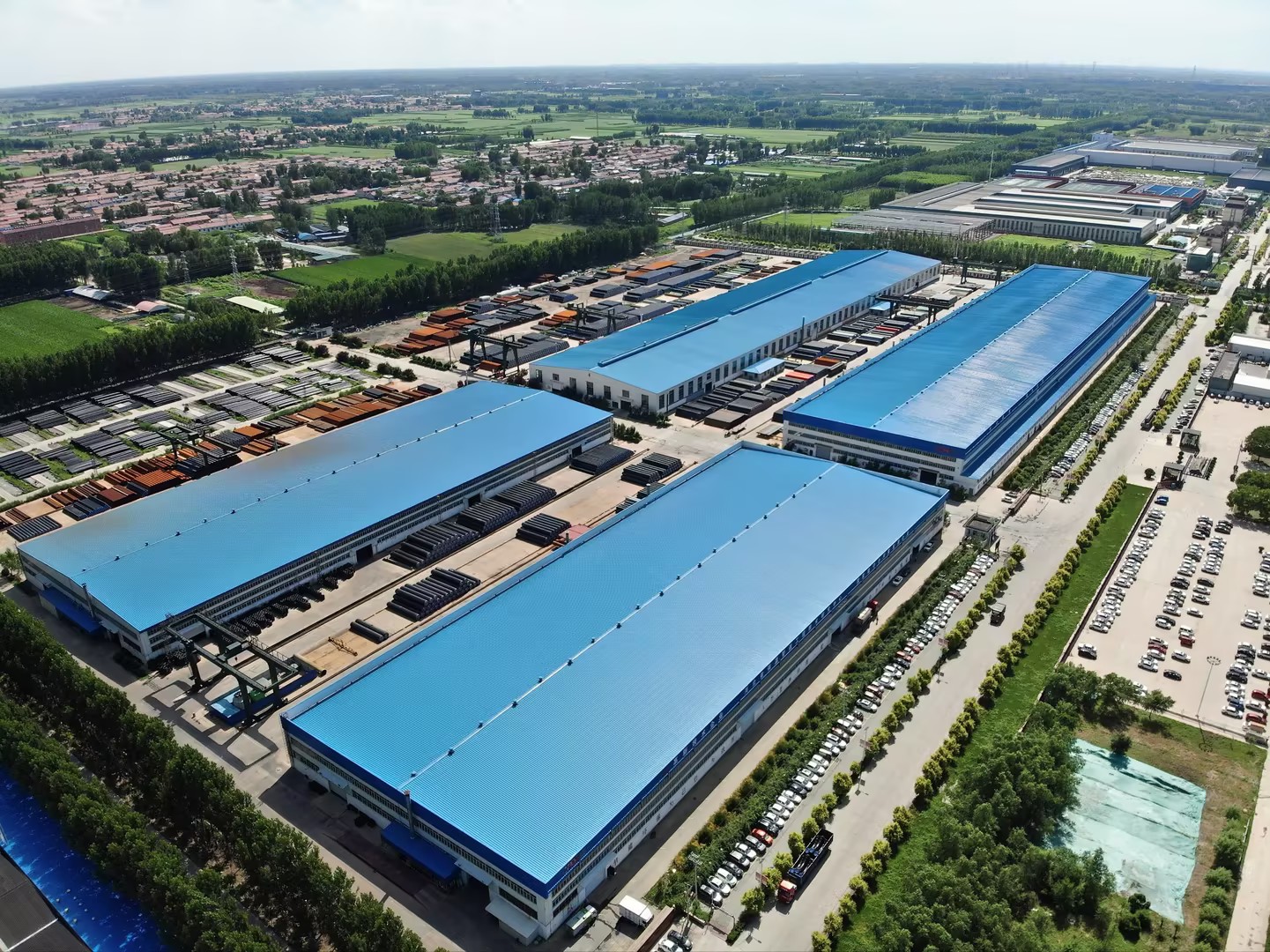
Next step. Tangshan Xingbang Pipeline Engineering Equipment Co., Ltd supplies pre-insulated pipe systems for central heating, central cooling, petroleum, chemical, LNG, gas, and water conservancy applications, and exports to Europe, North America, and the Middle East — around 30% of output. The company holds 310,000 m² of production area, a team of 30 engineers, and is a participant in the formulation of the national standard for directly buried insulation pipes.
Download the catalog to review product configurations before drafting the technical annex: Xingbang company brochure (PDF).
Send a parameter list for quotation or request a sample discussion: www.xingbanginsulatedpipe.com · Phone +86 18331518911 · WhatsApp +8618833358018 · Address: Houhu Industrial Zone, Yutian County, Tangshan City, Hebei Province, China.
Have Questions or Need More Details?
Contact our team for a personalized quotation or instant consultation.
Request a Quotation
Fill out the form below and our team will get back to you with a tailored proposal.
WhatsApp Direct Chat
Prefer to chat in real-time? Message us on WhatsApp for instant assistance & quick answers.
- Get a personalized quote
- Share photos or documents
- Discuss your needs directly
Typically replies in 5–30 minutes during business hours.