
Pre-Insulated Pipe Compliance Guide for Direct Burial Projects
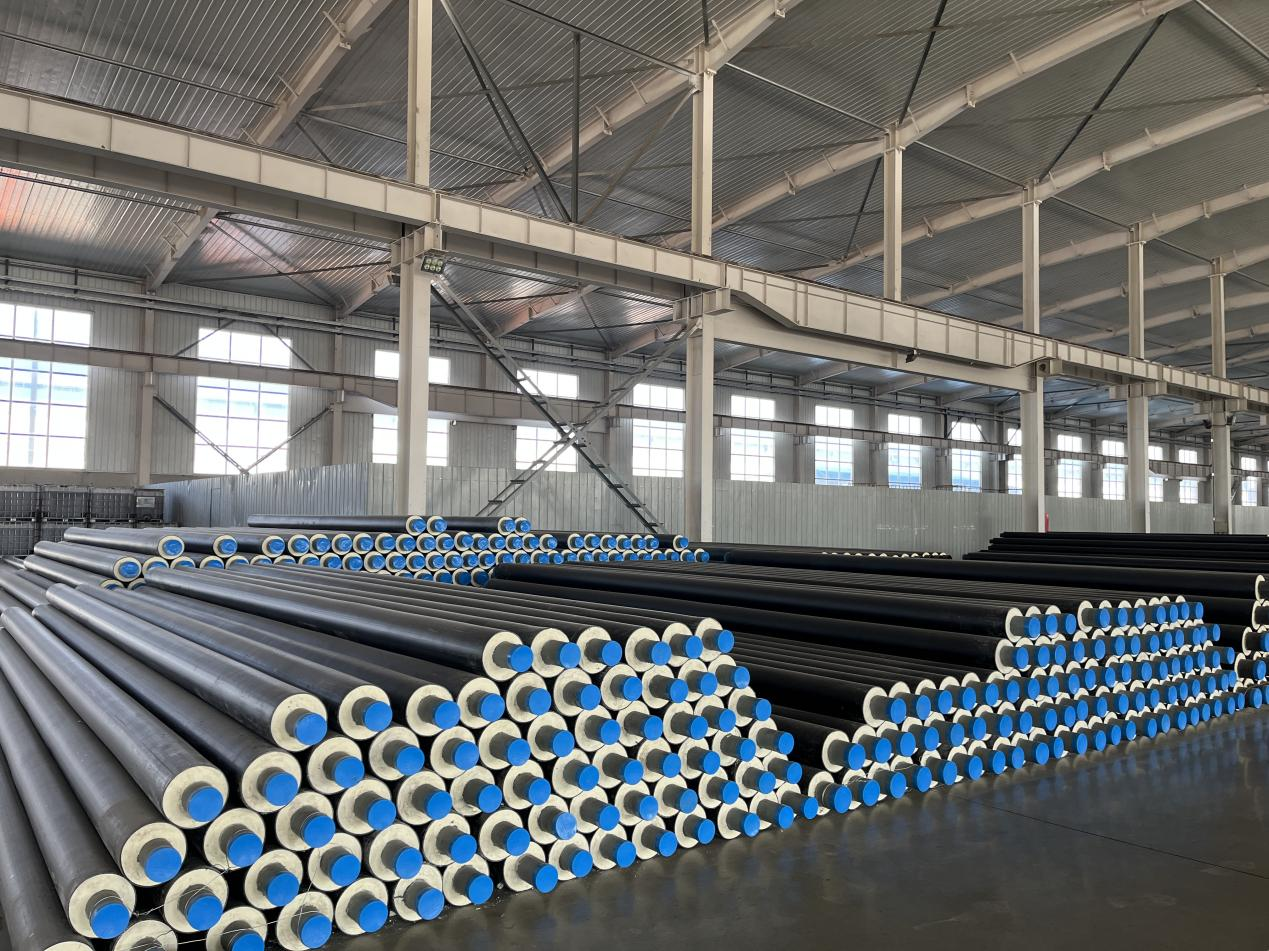
A directly buried pre-insulated pipe is installed once and then covered for decades. After backfill, the insulation foam, the outer jacket and every joint are out of reach: they cannot be inspected, re-insulated or replaced cheaply. That single fact is why compliance verification for pre-insulated pipe belongs at the start of the buying process rather than in the handover file.
This guide explains why regional compliance matters for directly buried installations, what those requirements normally cover (materials, testing and installation practice), and what documented proof a buyer should request from a manufacturer. It deliberately does not quote standard numbers. The applicable documents depend on the jurisdiction the network is built in, and the same product family is supplied into markets whose frameworks are not interchangeable.
One point is worth stating plainly at the outset: compliance does not travel automatically with a product. A pre-insulated pipe system accepted for a municipal heating network in one market may need additional evidence before an equivalent design can be buried in another. The manufacturer holds that evidence; the buyer has to ask for it, and has to ask before the pipe leaves the factory.
Why Regional Compliance Is a Direct Burial Risk, Not a Formality
Above-ground pre-insulated pipe can be inspected while a line is running, and a damaged jacket or a wet insulation layer can usually be reworked. A buried line offers none of that flexibility. It operates continuously and, in most district heating and cooling schemes, the buried section is expected to stay in service for decades without being opened.
Regional frameworks differ in what they expect from that buried assembly. Each market defines its own requirements for the carrier pipe, the insulation foam, the outer jacket, the joint and the way the whole system is tested and installed. Because those frameworks are written for different climates, soil conditions and operating practices, a system that satisfies one region's expectations can be incomplete in another, even when the pipe looks identical on a drawing and comes off the same production line.
In practice, the most common gap between a compliant and a non-compliant delivery is the evidence trail rather than the pipe itself. A buyer may hold a product-level description of the pipe body while still missing batch-level test records, jointing instructions, or documentation covering the sleeves and sealing materials that are actually installed on site. None of that can be reconstructed after backfill, which is why the review has to be completed before shipment.
Industry Background: A Growing Market With Several Compliance Cultures
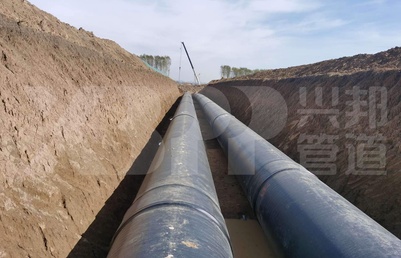
Demand for pre-insulated pipe is large and still expanding. Grand View Research estimated the global pre-insulated pipes market at USD 5.97 billion in 2024 and projects it to reach USD 10.4 billion by 2030, a CAGR of 9.7%. The wider district heating market was valued at USD 209.34 billion in 2024 by SNS Insider, while Global Market Insights expects the combined district heating and cooling market to grow at a CAGR of 5.7% between 2024 and 2032.
Growth is not evenly distributed, and published regional estimates do not fully agree with one another. Grand View Research places Asia Pacific at a 39.96% revenue share of the pre-insulated pipes market in 2024, while Credence Research, working from a narrower definition of pre-insulated pipe systems, estimates Europe at roughly 38% of that market and Asia-Pacific at 24%, and describes Asia-Pacific as the fastest-growing region. These figures are directional. They indicate where supply and demand are concentrated; they are not compliance evidence, and no market report can substitute for the documents that apply to a specific project.
Two structural trends sharpen the compliance question. District cooling is expanding quickly, with SNS Insider projecting a CAGR of 9.48% for pre-insulated pipes used in district cooling, partly driven by smart city programmes, and cooling networks bring their own jacket, jointing and moisture-control expectations. At the same time, the performance case for insulated systems is well established: Strategic Market Research attributes a heat loss reduction of more than 30% to pre-insulated pipe in modern district heating networks such as Copenhagen. Efficiency gains of that scale only hold if the buried assembly remains intact, which returns the discussion to material, testing and installation discipline.
Cross-border sourcing is where the differences become practical. A European buyer evaluating an Asian supplier, or a Middle East contractor comparing European and Chinese manufacturers, is comparing products built to different regional expectations. That comparison is only meaningful when every supplier is asked to document the same three areas.
The Three Compliance Areas That Decide a Direct Burial Project
For directly buried pre-insulated pipe, compliance normally splits into three verifiable areas: what the system is made of, how it was tested, and how it is installed and sealed. A buyer who can audit only one of the three has audited roughly a third of the project risk.
1. Material compliance
The pipe that Tangshan Xingbang Pipeline Engineering Equipment Co., Ltd supplies as a polyurethane insulated pipe (model: Polyurethane Insulated Pipe) is a factory-made composite of a carrier pipe, rigid polyurethane foam insulation and a high-density polyethylene outer jacket. Where a section of the route runs above ground rather than buried, a galvanized iron jacket version is available instead. Material compliance is the check that this combination of jacket, foam and carrier is acceptable for the specific burial environment, not merely for a generic heating network.
Three questions usually decide the outcome. First, is the outer jacket suited to the soil chemistry and groundwater conditions along the route? Second, is the insulation type appropriate for the temperature the medium will actually reach? Third, does the carrier pipe match the pressure rating of the network? Xingbang product data states the working envelope for this pipe family as a medium temperature no higher than 120°C, an occasional peak no higher than 130°C and a working pressure of no more than 2.5 MPa, with continuous operation of at least 30 years at 120°C.
Where project conditions fall outside a standard configuration, material compliance is also where customization is agreed. Xingbang supports full customization covering pipe diameter and length, pipe material, temperature and pressure rating, insulation thickness, anti-corrosion grade, non-standard pipe fittings, design for specific geological conditions, and an optional intelligent monitoring system.
2. Testing compliance
Testing compliance answers a different question: how does the manufacturer demonstrate that the delivered product behaves the way the specification says it does? Xingbang applies 100% testing as its internal quality-control standard, so the review is not limited to selected samples.
For a buyer, the practical work here is to establish scope. Ask what is tested (carrier pipe, weld, foam fill, jacket integrity, dimensional accuracy), how often, whether results are recorded per production batch, and who signs the record. A test summary without a batch reference is difficult to link back to the pipes that arrive on site, and that link is exactly what a later audit, insurer or municipal authority will look for.
3. Installation practice compliance
Jointing and sealing are the parts of a buried system where factory quality gives way to site execution. Xingbang supplies the matched materials this step depends on: electrofusion sleeves, heat-shrinkable sleeves, insulation joint material, foaming filler, and sealing and waterproofing material. Keeping those items with the pipe, rather than sourcing them separately, removes one of the most common compatibility gaps in buried networks.
Compliance in this area is usually demonstrated through method rather than material: a jointing procedure issued by the manufacturer, backfill and compaction instructions that match the soil-load assumption, and clear responsibility for who inspects the joint before it is covered. Xingbang supports the site phase with dedicated on-site service teams that deliver one-to-one, point-to-point support throughout the project.
What counts as documented proof
The rule for buyers is straightforward: request documented proof that matches the verified product type, and confirm that the documents describe the product actually being shipped. In practice that means asking for a material declaration covering the carrier pipe, insulation and jacket; batch-level test records; written confirmation of the temperature and pressure envelope; jointing and installation instructions; a compatibility statement for the sleeves, filler and sealant; and the after-sales terms. Anything issued without a product type, a batch reference or a date is difficult to defend later.
Step-by-Step: Verifying Compliance Before the Trench Is Opened
The sequence below follows the order in which project risk accumulates. Each step produces a document or a decision that the next step depends on.
- Define the operating envelope. Record the medium, the maximum continuous temperature, the occasional peak, the working pressure and the duty cycle. For a directly buried hot water network within Xingbang standard range, that envelope is ordinary hot water up to 120°C, a peak of no more than 130°C and a working pressure of no more than 2.5 MPa in continuous operation.
- Confirm the installation method and product type. Directly buried service, above-ground service, and cooling versus heating duty each carry different expectations. Settle this before requesting documentation, because the proof required changes with the product type.
- List the compliance areas that apply in the project region. Map the local framework onto materials, testing and installation practice, and note which of the three is verified by the manufacturer and which by the contractor.
- Request documentation per area, not per product. Ask for material declarations, batch test records and the installation method statement separately. A single general certificate rarely covers all three.
- Check traceability. Match the batch references in the documents to the batches actually delivered. A missing link here is the most common reason a technically sound delivery is questioned at handover.
- Align jointing, sealing and backfill. Confirm that the sleeves, foaming filler and waterproofing material are compatible with the supplied pipe, and that backfill practice matches the soil-load assumptions behind the design.
- Plan the on-site phase. Agree who inspects the joint, who signs it off, and what support the manufacturer provides during installation.
How Compliance Requirements Play Out on Real Projects
Buried networks rarely fail for exotic reasons. They fail at the interfaces: between factory and site, between pipe and joint, between the design assumption and the soil. The projects below show how those interfaces are handled in practice, and why the compliance route differs from one to the next. Every one of them is reported in stable operation.
Municipal heating renovation, Uzbekistan (6 km, stable operation for 5 years). A network renovation is the case where compliance documentation matters most, because the new buried section has to connect to existing infrastructure and existing operating assumptions. Heat preservation was the stated priority, and the line has operated stably since commissioning.
District cooling, Phnom Penh, Cambodia (5 km, stable operation for 10 years). Cooling duty changes the compliance profile: the jacket and jointing have to manage moisture as well as heat transfer. This is the longest-running of the referenced cooling projects, with 10 years of stable operation.
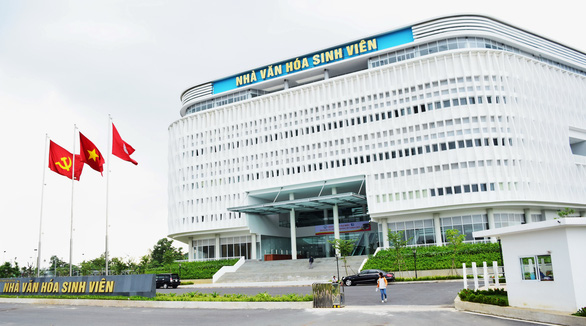
Campus network, Ho Chi Minh City, Vietnam (6 km, stable operation for 7 years). A university campus combines cooling and heating supply on one site, which illustrates why the product type, not just the pipe diameter, has to be fixed before documentation is requested.

Copper mine project, Mongolia (9 km, stable operation for 3 years). Remote industrial sites place a premium on documentation a local contractor can use without direct factory supervision, and on installation instructions that survive translation.
Hotel, Jamaica (3 km, stable operation for 2 years) and bank facility, Cambodia (30 km, stable operation for 2 years). Both are cooling and heating supply projects where the buried network serves a single large building or campus. They show the same compliance logic applied at very different scales, 3 km and 30 km of pipe, with the same requirement that material, testing and installation evidence be complete before backfill.
Compliance Evidence Map for Directly Buried Pre-Insulated Pipe
| Compliance area | What it covers | Why it matters for direct burial | Documentation to request |
|---|---|---|---|
| Materials | Carrier pipe, rigid polyurethane foam insulation and high-density polyethylene outer jacket; galvanized iron jacket for above-ground sections | Buried sections cannot be re-jacketed after backfill, so jacket and foam must match soil, groundwater and temperature conditions from day one | Material declaration naming carrier, foam and jacket; written confirmation of the temperature and pressure envelope |
| Testing | 100% testing as Xingbang quality-control standard, applied to the delivered product | Defects in a buried line are neither visible nor repairable in service | Batch-level test records linked to the delivered product, with dates and a responsible signatory |
| Installation practice | Jointing, sealing and backfill; matched materials include electrofusion sleeves, heat-shrinkable sleeves, insulation joint material, foaming filler and sealing/waterproofing material | Joints are executed on site, where factory control no longer applies | Jointing method statement, backfill instructions, compatibility statement for sleeves, filler and sealant |
| Special conditions | Thermal expansion stress, soil load, groundwater corrosion, external impact | These are the conditions that decide whether a standard configuration is acceptable at all | Design notes for the specific geological conditions; anti-corrosion grade confirmation |
| Handover and support | 24-hour continuous operation over a service life specified at not less than 30 years at 120°C | The compliance record is the only evidence available once the network is buried | Installation support terms; after-sales and on-site service commitments |
A second, shorter check is worth completing in writing before an order is placed. The list below sets out the values that should appear in the confirmed product documentation, so that comparing quotation, drawing and delivery note becomes a matter of matching text rather than interpretation.
| Item to confirm in writing | Value for the polyurethane insulated pipe |
|---|---|
| Conveyed medium temperature | No higher than 120°C |
| Occasional peak temperature | No higher than 130°C |
| Working pressure | No more than 2.5 MPa |
| Continuous service life at 120°C | At least 30 years |
| Materials | High-density polyethylene outer jacket and rigid polyurethane foam insulation |
| Operation mode | 24-hour continuous operation |
| Jointing materials | Electrofusion sleeves, heat-shrinkable sleeves, insulation joint material, foaming filler, sealing and waterproofing material |
Frequently Asked Questions
Which compliance areas matter most for directly buried pre-insulated pipe?
Three areas normally decide the outcome: materials (carrier pipe, rigid polyurethane foam insulation and the outer jacket), testing (how the manufacturer proves the delivered product meets specification), and installation practice (jointing, sealing and backfill). For buried networks, installation practice deserves as much attention as material selection, because the joints are executed on site and cannot be inspected afterwards. Xingbang supplies the jointing materials this step depends on, including electrofusion sleeves, heat-shrinkable sleeves, insulation joint material, foaming filler and sealing/waterproofing material, together with the pipe itself.
Pre insulated district heating pipe manufacturer for municipal projects: what should be verified?
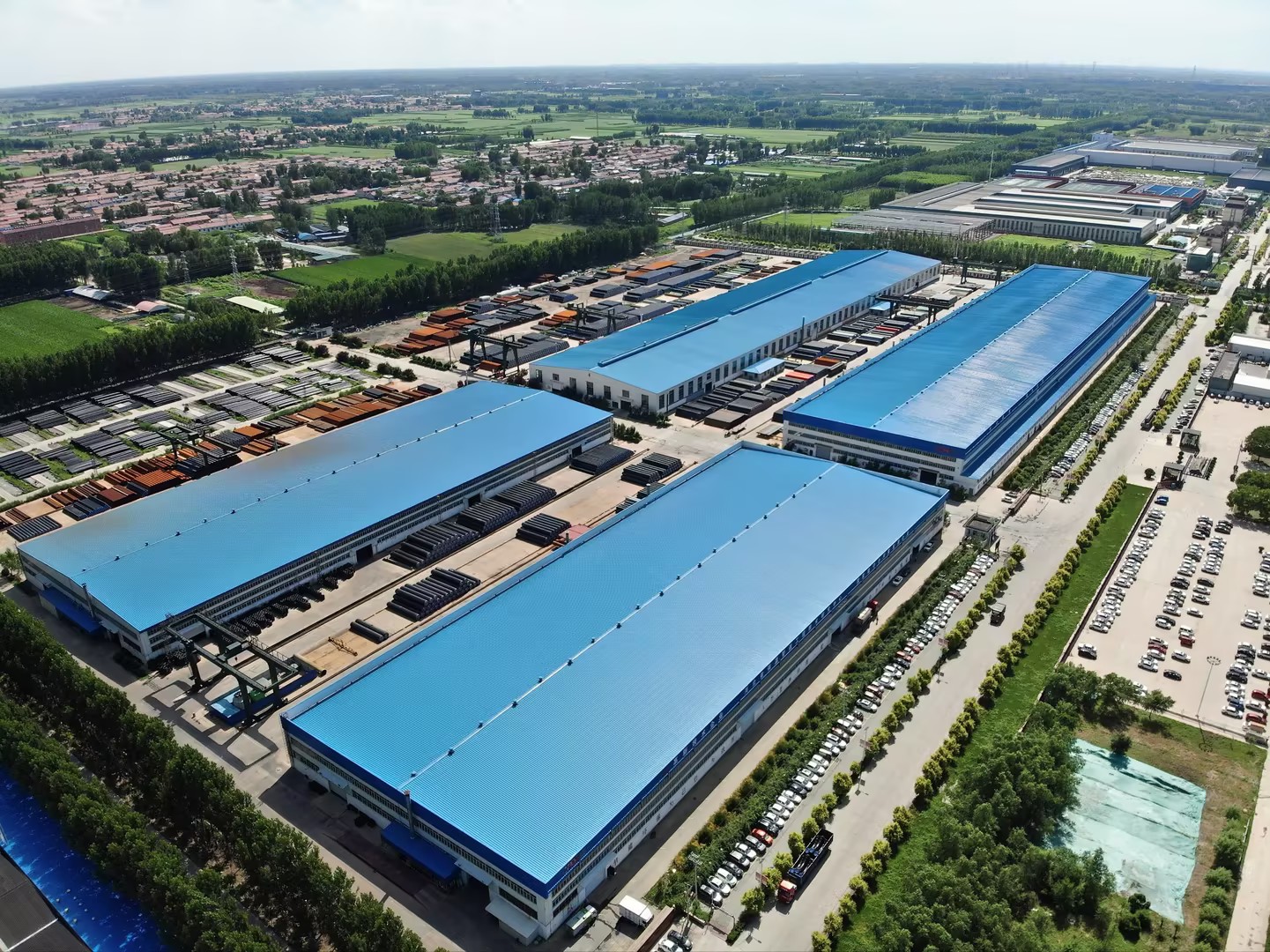
For a municipal district heating project, verify the manufacturer's product type first, then the evidence attached to it. That includes the operating envelope of the pipe (medium temperature up to 120°C, occasional peak up to 130°C, working pressure up to 2.5 MPa), batch-level test records, the material declaration for carrier pipe, foam and jacket, and the jointing method statement. Tangshan Xingbang Pipeline Engineering Equipment Co., Ltd manufactures pre-insulated pipe from a 310,000 m² facility in Hebei Province, China, with 231 employees and a 30-engineer R&D team, and exports to Europe, North America and the Middle East among other markets. Xingbang also participates in the formulation of the national standard for directly buried insulation pipes in China, which is relevant context when buyers draft technical requirements.
Can pre-insulated pipe be customized for difficult soil and groundwater conditions?
Customization is part of the standard offer rather than an exception. Xingbang supports customized pipe diameter and length, pipe material, temperature and pressure rating, insulation thickness, anti-corrosion grade, non-standard pipe fittings, design for specific geological conditions, and an optional intelligent monitoring system. Independent research and development underpins this, which matters for burial projects where soil load, groundwater corrosion and thermal expansion stress differ from the reference case.
What are the minimum order quantity and lead time for pre-insulated pipe?
Xingbang states a minimum order quantity of 1 km and a standard lead time of 30 to 45 days. Both figures should be reconfirmed against the specific configuration, because customization of diameter, insulation thickness, anti-corrosion grade or monitoring systems can change the production schedule. For projects with a fixed trench-opening window, it is worth confirming lead time in writing alongside the compliance documents.
How can buyers request documentation or a quotation?
Buyers can request the company brochure, product documentation and a quotation directly from the manufacturer. The Xingbang brochure is available for download here, and the commercial team can be reached at xbinsulatedpipe@xingbang1995.com, by phone on +86 18331518911, or on WhatsApp at +8618833358018. For buried projects, sending the operating envelope, burial conditions and installation method with the enquiry shortens the process considerably, because the compliance route can then be confirmed before commercial terms are discussed.
Conclusion: Compliance Is a Sourcing Decision, Not a Final Inspection
Directly buried pre-insulated pipe is a long-life asset whose compliance record is created in the weeks before shipment and then sealed under the ground. Regional frameworks differ in detail, but the areas they cover are consistent: materials, testing and installation practice. Buyers who request documented proof in each of those areas, tied to the verified product type and to the actual production batches, are the ones who avoid the gap between a technically sound pipe and an approved installation.
Tangshan Xingbang Pipeline Engineering Equipment Co., Ltd, known as Xingbang, manufactures directly buried hot water pre-insulated pipe and related insulation and anti-corrosion systems from Houhu Industrial Zone, Yutian County, Tangshan City, Hebei Province, China, and supplies heating, cooling and industrial pipeline projects across Europe, North America, the Middle East, South America, Asia-Pacific, Africa and the Belt and Road markets.
Next Step: Request the Documentation Pack
If you are specifying a directly buried heating or cooling network and need the product documentation, operating envelope and commercial terms confirmed in one place, start with the Xingbang company brochure, which can be downloaded here.
Website: www.xingbanginsulatedpipe.com
Email: xbinsulatedpipe@xingbang1995.com
Phone: +86 18331518911
WhatsApp: +8618833358018
Have Questions or Need More Details?
Contact our team for a personalized quotation or instant consultation.
Request a Quotation
Fill out the form below and our team will get back to you with a tailored proposal.
WhatsApp Direct Chat
Prefer to chat in real-time? Message us on WhatsApp for instant assistance & quick answers.
- Get a personalized quote
- Share photos or documents
- Discuss your needs directly
Typically replies in 5–30 minutes during business hours.