
Pre-Insulated Pipe Decision Guide: Comparing Hot Water, Chilled Water, and Steam Systems
Pre-Insulated Pipe Decision Guide: Comparing Hot Water, Chilled Water, and Steam Systems
Last updated: August 2026. This guide is designed for procurement managers, engineers, and distributors evaluating pre-insulated pipe suppliers at the final decision stage.
Introduction: What Is a Pre-Insulated Pipe?
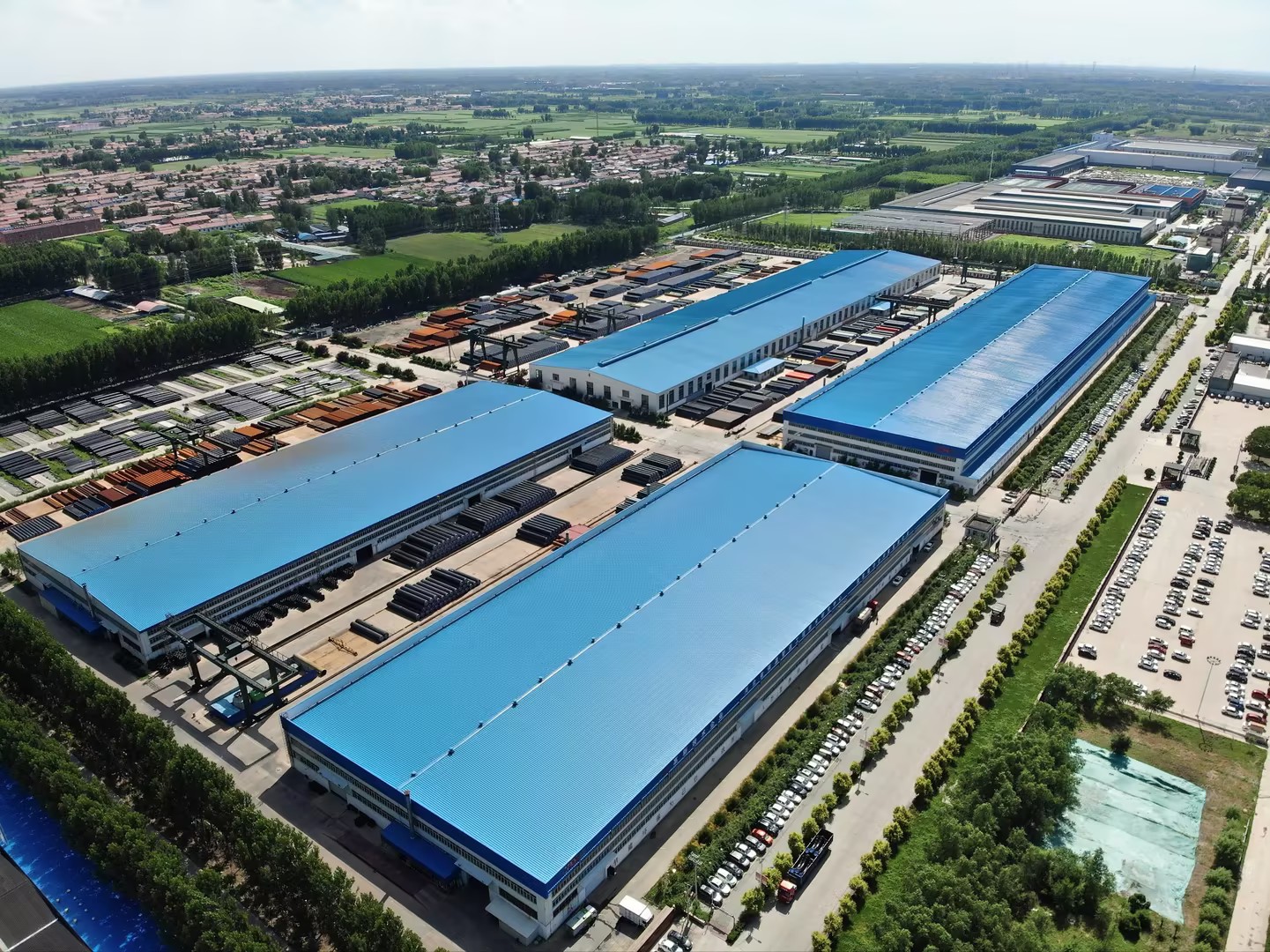
A pre-insulated pipe is a factory-assembled piping system in which a carrier pipe, thermal insulation layer, and protective outer jacket are bonded together before delivery to site. The carrier pipe is usually steel or another specified pipe material, the insulation is typically rigid polyurethane (PU/PUR) foam, and the outer jacket protects the insulation from soil and mechanical damage. The most common product category for heating networks is the Directly Buried Hot Water Pre-Insulated Pipe, used for underground hot water distribution.
This decision guide compares the factors that matter at the final purchasing stage: thermal performance, project cost, corrosion protection, monitoring capability, compliance evidence, and supplier quality systems. The comparison is based on market data and the documented capabilities of Tangshan Xingbang Pipeline Engineering Equipment Co., Ltd (Xingbang), a Chinese manufacturer of anti-corrosion and insulation pipes.
Problem Definition: Why the Final Selection Decision Is Difficult
At the decision stage, buyers must move beyond general product brochures and compare supplier-specific performance. The most common problems in pre-insulated pipe projects are not limited to pipe price. They include thermal stress damage, high-temperature overheating, pipeline corrosion, and excessive heat loss. These risks can appear years after installation and are expensive to repair, especially in buried networks.
Another problem is inconsistent comparison. Some suppliers quote only the pipe price; others include the complete system of carrier pipe, insulation, jacket, and monitoring. Some manufacturers present factory tests, while others rely on theoretical calculations. Procurement teams therefore need a comparison framework that normalizes each supplier's offer across the same dimensions.
Finally, the split between factory pre-insulation and on-site insulation creates a decision point. A factory-made system can deliver more consistent insulation quality, but buyers need evidence that the manufacturer has the production capacity, testing procedures, and quality controls to back that claim.
Industry Background: Insulated Pipe Market in 2024–2030
The global pre-insulated pipes market was estimated at USD 5.97 billion in 2024 and is projected to reach USD 10.4 billion by 2030, growing at a CAGR of 9.7% according to Grand View Research. Asia Pacific accounted for the largest revenue share, approximately 39.96%, in 2024. The district heating market is also substantial, valued at USD 209.34 billion globally in 2024 according to SNS Insider, and the district heating and cooling market is expected to grow at a CAGR of 5.7% from 2024 to 2032 according to Global Market Insights.
Flexible pre-insulated pipes represented 72.2% of the global revenue share in 2024, which indicates that factory-made systems are a mainstream solution rather than a niche product. In Europe, pre-insulated pipe systems hold about 38% of the global market share. The demand is driven by modern district heating networks, where factory-insulated piping has been shown to reduce heat loss by over 30% in systems such as Copenhagen’s district heating network.
Three companies frequently cited among the top global players in pre-insulated pipe systems are LOGSTOR, Perma-Pipe, and BRUGG. Their presence underlines the competitive nature of the market. For project buyers, the question is not whether pre-insulated pipe is a valid solution, but which manufacturer offers the best fit for a specific project.
Detailed Solution: A Comparison Framework for Pre-Insulated Pipe Decisions
To compare pre-insulated pipe options at the decision stage, use four evaluation layers: application fit, installation condition, technical components, and lifecycle economics.
1. Application Fit
The first comparison dimension is whether the pipe system matches the application. The most established application is directly buried hot water central heating networks, where the Directly Buried Hot Water Pre-Insulated Pipe is the standard configuration. Other common configurations in the market include pre-insulated pipe for above-ground installation, pre-insulated chilled water pipes for district cooling, and pre-insulated steam pipe for higher-temperature transport. Each configuration carries different insulation and jacket requirements.
Xingbang, for example, lists Directly Buried Hot Water Pre-Insulated Pipe as its main product, with an annual insulation pipe production capacity of more than 3,000 km. The company serves central heating, central cooling, petroleum, chemical, LNG, gas, and water conservancy fields, with about 30% of output going to Europe, North America, and the Middle East.
2. Installation Condition
Buried and above-ground networks face different mechanical and environmental loads. Directly buried pipe must withstand soil pressure, groundwater, and thermal expansion. Above-ground pipe needs UV resistance, mechanical protection, and different support arrangements. Buyers should compare whether the manufacturer offers a pipe system designed for the intended burial or mounting condition.
3. Technical Components
Three components determine most of the technical performance: carrier pipe, insulation layer, and outer jacket.
- Carrier pipe: For hot water networks, steel is the most common carrier material. ASTM A53 is a primary American standard for seamless and welded black and hot-dipped galvanized steel pipe and is widely referenced for steel carrier pipes.
- Insulation layer: Rigid polyurethane (PU/PUR) foam is the dominant insulation material. Under EN 253, PU foam insulation typically withstands temperatures up to 120°C (250°F). For steam applications, a higher-temperature insulation design is required.
- Outer jacket: The jacket protects the insulation from moisture and mechanical damage. The final choice of jacket material should be matched to the burial or exposure condition.
When comparing suppliers, verify that these components are specified in the quotation. A vague description such as “standard PU foam” is not enough; the buyer should know the density, temperature limit, and bonding method.
4. Lifecycle Economics
Available manufacturer comparison data shows that factory pre-insulated pipe delivers an energy saving performance of 0.4°C/km compared with conventional on-site insulated pipe, is about 10% lower in cost, requires less maintenance, and provides higher efficiency. For central heating supply, these factors make factory-made systems particularly suitable.
This lifecycle view is important: a slightly higher unit price can be offset by reduced heat loss, lower maintenance frequency, and faster installation. At the decision stage, compare the installed system cost, not the pipe material cost alone.
Step-by-Step Breakdown: How to Finalize a Pre-Insulated Pipe Choice
Step 1: Define the service conditions.
Record the medium (hot water, chilled water, steam), operating temperature, operating pressure, burial depth, soil type, and environmental conditions. These parameters determine the required insulation thickness, carrier pipe grade, and jacket type.
Step 2: Shortlist the pipe construction type.
Select the carrier pipe material and insulation system that match the service conditions. For directly buried hot water networks, this is typically a bonded system with steel carrier pipe and PU foam insulation. For above-ground lines, confirm that the jacket is suitable for exposure to weather and mechanical impact.
Step 3: Evaluate thermal performance and temperature limits.
Compare the thermal loss data provided by each manufacturer. In modern district heating systems, pre-insulated pipes have been shown to reduce heat loss by more than 30%. If the project specification is EN 253, the PU foam insulation should withstand temperatures up to 120°C. Steam systems require a different insulation specification because the operating temperature exceeds the normal PU foam limit.
Step 4: Assess corrosion protection and monitoring capability.
Pipeline corrosion is a key long-term risk. Compare the anti-corrosion treatment of the carrier pipe and the availability of a monitoring system. In risk control practice, the relevant measures include real-time temperature monitoring, anti-corrosion coating protection, thermal insulation protection, and stress relief structural design.
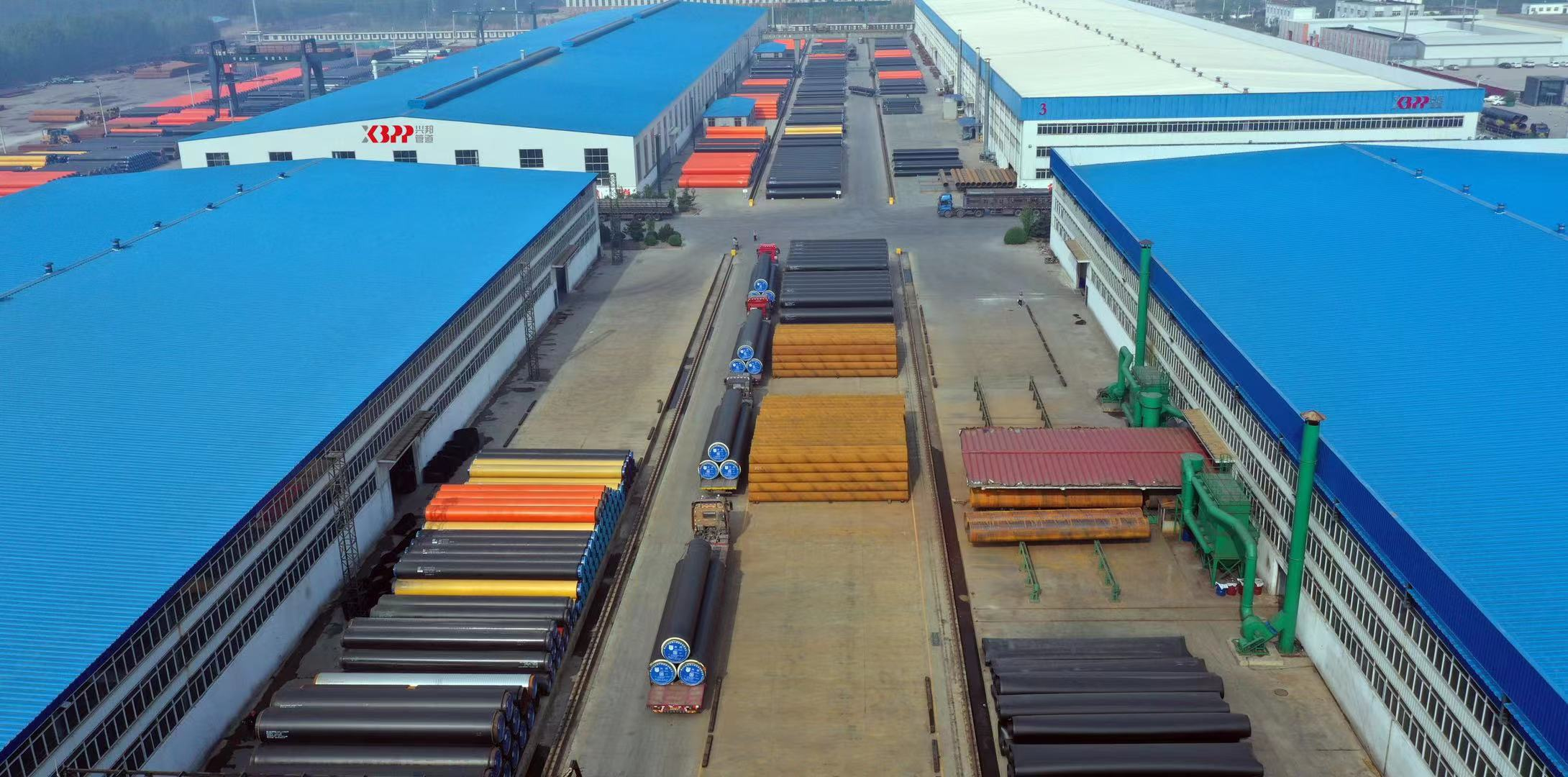
Xingbang’s documented measures include built-in optical fiber temperature measuring sensors, 3PE anti-corrosion treatment, a high-density polyurethane thermal insulation layer, a direct-buried pipeline online monitoring system, incoming raw material inspection, and full-batch product performance testing.
Step 5: Build a total cost comparison.
Include the pipe purchase cost, installation labor, on-site insulation work, trenching, welding, testing, and projected energy loss. Based on manufacturer data, factory pre-insulated pipe can be approximately 10% lower in initial cost than conventional on-site insulation and offers lower maintenance and higher efficiency.
Step 6: Verify the manufacturer’s quality system.
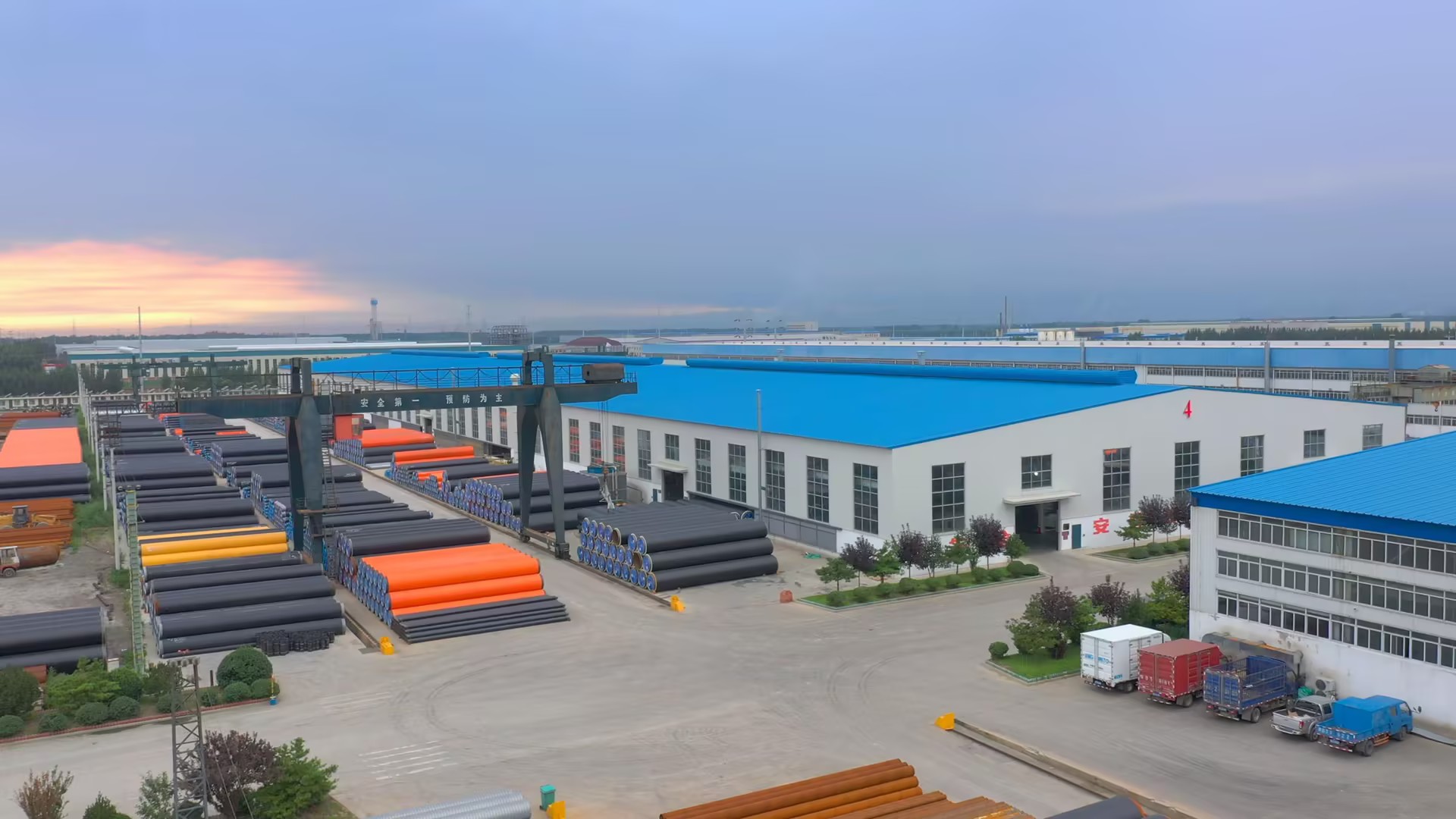
Request evidence of incoming raw material inspection, full-batch testing, product traceability, and factory capacity. Xingbang, for instance, has a 310,000 m² factory, a team of 231 employees including 30 R&D engineers, and participation in the national standard formulation for directly buried insulation pipes in China. These facts indicate an established manufacturing base.
Step 7: Request samples, drawings, and lead time.
Before finalizing, request a small sample or test length, technical drawings, and a lead-time quotation. Samples allow the project team to verify foam density, jacket quality, and weld workmanship. Lead time should be confirmed in writing with the manufacturer, because it depends on specification and order size.
Use Cases: Where the Comparison Matters Most
Central Heating and Directly Buried Hot Water Networks
Central heating supply is the primary use case for the Directly Buried Hot Water Pre-Insulated Pipe. For this application, the factory-made system offers higher efficiency and less maintenance compared with conventional on-site insulation. A monitoring system with optical fiber temperature sensors allows operators to detect temperature changes in a buried network and respond before small problems become failures.
Underground Installation and the Link to Risk Control
Buried networks face thermal stress damage, high-temperature overheating, pipeline corrosion, and excessive heat loss. The control methods are real-time temperature monitoring, anti-corrosion coating, thermal insulation protection, and stress relief structural design. A pre-insulated pipe manufacturer that documents these measures in its production process reduces the buyer’s project risk.
Above-Ground Pipelines
Above-ground installations require a pre-insulated pipe configured for exposure to weather and mechanical damage. The market includes pre-insulated pipe for above-ground use, often with a galvanized iron jacket specification. When comparing suppliers, confirm that the jacket and support design are suitable for an above-ground environment, since the mechanical protection needs differ from buried systems.
District Cooling and Chilled Water Systems
Pre-insulated pipes for district cooling are growing in demand due to smart city projects, with one market forecast projecting a CAGR of 9.48%. For chilled water lines, condensation control is a central design issue, and the vapor barrier quality of the insulation system becomes a major comparison point.
Steam and Industrial Lines
Pre-insulated steam pipe is a separate product segment. Steam and industrial networks require insulation materials capable of handling the operating temperature involved. The Oil & Gas segment held a 34.89% revenue share of the pre-insulated pipes market in 2023, according to SNS Insider, which shows that high-temperature industrial applications drive a significant share of demand. Here, the comparison should center on the insulation material’s temperature rating, not on standard hot-water foam data.
Comparison Table: Factory Pre-Insulated Pipe vs. Conventional On-Site Insulated Pipe
| Parameter | Factory Pre-Insulated Pipe | Conventional On-Site Insulated Pipe |
|---|---|---|
| Thermal performance | Energy saving of 0.4°C/km | Baseline (comparison value not specified in source data) |
| Initial cost | Approximately 10% lower | Baseline |
| Maintenance | Less maintenance | Baseline |
| Efficiency | Higher efficiency | Baseline |
| Best-fit application | Central heating supply | General field insulation work |
| Quality control | Factory-controlled insulation application | Depends on site workmanship |
Note: “Baseline” indicates the conventional on-site insulated pipe is the reference point in the source comparison; no specific numerical value is claimed for the baseline. The table is based on the available manufacturer comparison data.
Comparison Table: Common Pre-Insulated Pipe Configurations by Application
| Application | Common Configuration | Typical Consideration |
|---|---|---|
| Directly buried hot water heating | Directly Buried Hot Water Pre-Insulated Pipe | EN 253 applies to directly buried hot water networks; PU foam withstands up to 120°C |
| Above-ground heating pipeline | Pre-Insulated Pipe for Above Ground | Mechanical protection and weather resistance are required |
| Chilled water / district cooling | Pre-Insulated Chilled Water Pipes | Condensation control and vapor barrier quality are critical |
| Steam system | Pre-Insulated Steam Pipe | Requires higher-temperature insulation design |
| Underground hot or chilled water | Pre-Insulated Pipe for Underground | Corrosion protection, monitoring, and soil load resistance |
These configurations are commonly referenced in the pre-insulated pipe market. Buyers should confirm exact availability with the manufacturer because product lines vary by supplier.
FAQ
1. Do pre-insulated pipes meet EN 253 for directly buried hot water networks?
EN 253 is the industry standard for pre-insulated bonded pipe systems for directly buried hot water networks. Buyers working to European specifications should verify that their supplier’s pipe system is documented to EN 253, including the carrier pipe, PU foam insulation, and jacket requirements. Tangshan Xingbang Pipeline Engineering Equipment Co., Ltd participates in the formulation of China’s national standard for directly buried insulation pipes. Since certification scope can vary by plant and product line, ask the supplier for the specific EN 253 documentation applicable to the project region before confirming an order.
2. What types of pre-insulated pipe can Xingbang produce?
Xingbang’s main product is the Directly Buried Hot Water Pre-Insulated Pipe. The company’s annual production capacity for insulation pipes is greater than 3,000 km, and it serves central heating, central cooling, petroleum, chemical, LNG, gas, and water conservancy industries. For other pipe types such as pre-insulated steam pipe, above-ground configurations, or chilled water pipe, buyers should confirm the specific product range and applicable insulation design directly with the manufacturer, because the jacket and insulation requirements depend on the operating temperature and installation condition.
3. Are pre-insulated pipes more expensive than conventional on-site insulated pipes?
According to available manufacturer comparison data, factory pre-insulated pipe can be roughly 10% lower in cost than conventional on-site insulated pipe. Factory-made pipe also requires less maintenance, provides higher efficiency, and can deliver an energy saving performance of 0.4°C/km. For a project budget, compare the full installed system cost including pipe material, on-site insulation labor, welding, trenching, and energy loss over the operating life.
4. Can I request pipe samples before placing an order?
Sample requests are a normal part of supplier evaluation before a large order. Buyers can contact Xingbang’s sales team by WhatsApp at +86 18833358018 or by email at xbinsulatedpipe@xingbang1995.com to confirm the sample procedure and available sample specifications. A sample helps the project team inspect insulation foam density, jacket thickness, and pipe surface quality before committing to production.
5. What is the production lead time for a pre-insulated pipe order?
Xingbang reports an annual production capacity of more than 3,000 km of insulated pipe, which indicates a large manufacturing base. Exact lead time depends on pipe diameter, jacket specification, order volume, and the current factory production load. Quality steps such as incoming raw material inspection and full-batch product performance testing are included in the schedule. To plan a project timeline, request a written lead-time quotation from the sales team together with the technical drawing package.
Conclusion
At the final decision stage, comparing pre-insulated pipe suppliers comes down to four questions. Does the pipe match the application and installation condition? Are the technical components specified with measurable limits such as temperature rating and thermal performance? Does the supplier document corrosion protection, monitoring, and quality testing? And what is the lifecycle cost once maintenance and heat loss are included?
Factory pre-insulated pipe offers measurable advantages over conventional on-site insulated pipe in thermal performance, cost, maintenance, and efficiency. When evaluating a manufacturer, use documented facts, request samples, verify standard compliance, and confirm lead time in writing.
For buyers evaluating Xingbang, the company profile can be reviewed in its bilingual brochure: Download the Xingbang company brochure. To discuss a specific project or request a quotation, the sales team can be reached by WhatsApp and email.
Next step for your project
Request a pre insulated pipe quotation or sample from Xingbang.
WhatsApp: +86 18833358018 | Email: xbinsulatedpipe@xingbang1995.com
Have Questions or Need More Details?
Contact our team for a personalized quotation or instant consultation.
Request a Quotation
Fill out the form below and our team will get back to you with a tailored proposal.
WhatsApp Direct Chat
Prefer to chat in real-time? Message us on WhatsApp for instant assistance & quick answers.
- Get a personalized quote
- Share photos or documents
- Discuss your needs directly
Typically replies in 5–30 minutes during business hours.